Why I Wrote Reckoning: A Journey Through Tragedy, Triumph & Transcendence
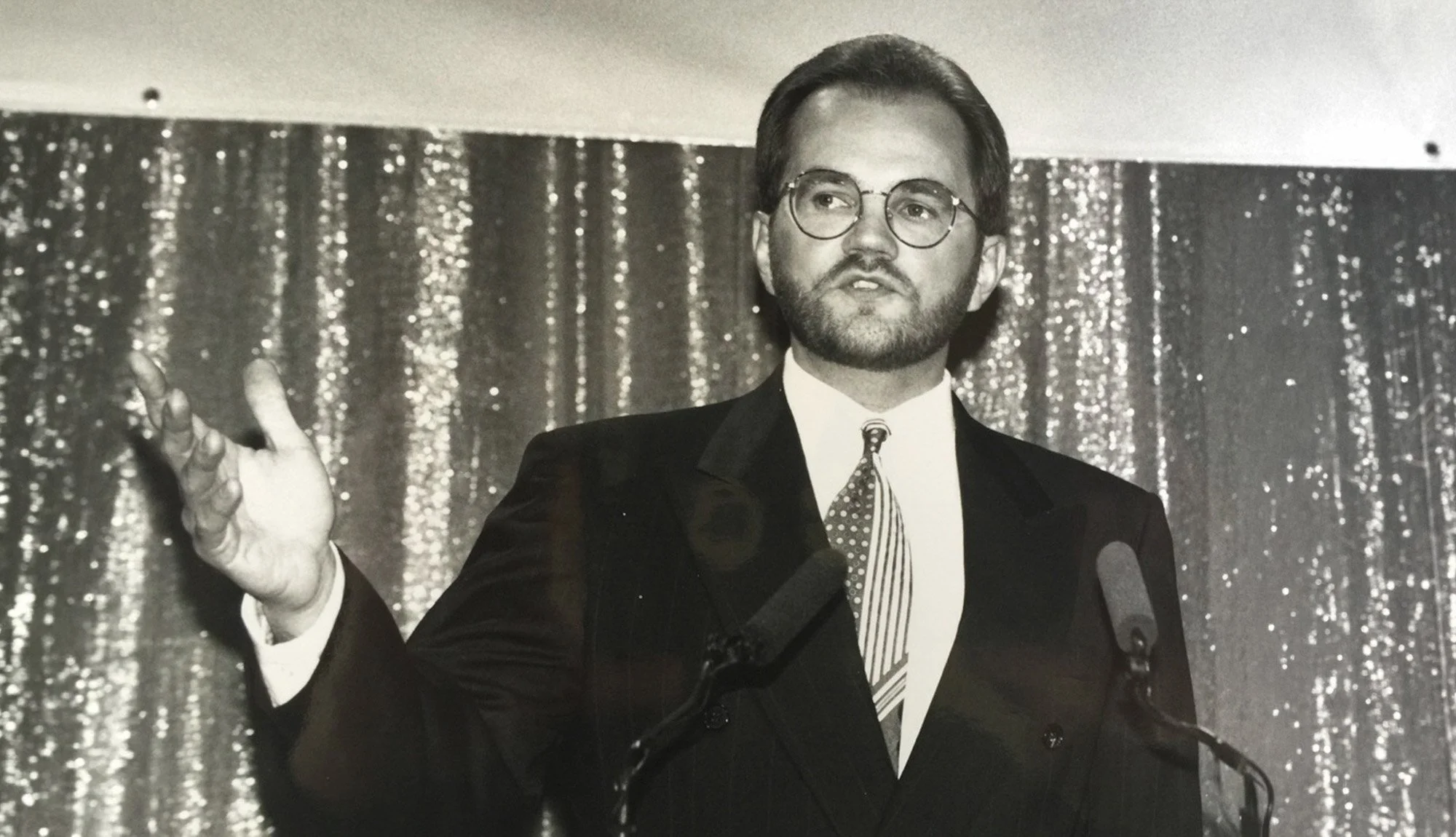
For most of my life, I never imagined I would write a book.
Like many people, I was focused on building a career, supporting my family, and doing what needed to be done. My path took me through business, leadership, and ultimately into roles as a CEO, investor, and advisor. From the outside, it looked like a successful life.
And in many ways, it was.
But that’s not the whole story.
This book was not written to document success. It was written to understand the journey behind it.
It Started with a Question
At some point—well after the milestones had been reached—I found myself asking a different kind of question: Is this it?

Not in a cynical way. More in a quiet, reflective way.
I had achieved many of the things I had once set out to do. But there was a growing awareness that achievement alone was not the full answer.
That question didn’t lead to immediate change. It led to reflection.
And eventually, it led to writing.
The Parts of the Story That Don’t Get Told
Most business stories focus on outcomes.
Revenue. Growth. Wins. Losses.
But behind every one of those outcomes is something far more personal—fear, uncertainty, relationships, and decisions made without knowing how they would turn out.
There were moments in my life where I moved forward with confidence and trust.
And there were moments where fear showed up in ways I didn’t fully understand at the time.
Some of the most defining experiences in my life had nothing to do with business at all. They were rooted in family, in loss, in love, and in events that shaped how I saw the world from a very young age.
For a long time, those parts of the story stayed in the background.
Writing this book brought them forward.

Understanding Fear and Choice
One of the clearest insights that emerged through writing was this:
Fear was often at the root of the most difficult moments in my life.
Not always obvious fear. Sometimes subtle. Sometimes buried.
But present.
And alongside that realization came something equally important:
There were also moments where I chose something else.
Where I stepped forward with trust instead of hesitation. Where I moved toward opportunity, relationship, or change without needing certainty.
Those moments changed the trajectory of my life.
The contrast between those two forces—fear and something closer to love or trust—became one of the central themes of Reckoning.
Why I Finally Decided to Write It
For years, the idea of writing a book was there, but it remained just that—an idea.
What changed was not external. It was internal.
I reached a point where I felt a responsibility to capture what I had learned—not as advice, but as experience.
Not as a blueprint, but as a story.
A story that includes success, yes—but also struggle, uncertainty, and the search for something more meaningful.
I also came to appreciate that many of the experiences that shaped me—particularly those involving family and adversity—might offer something to others if shared honestly.
Writing became less about telling my story and more about making sense of it.
The Journey Behind the Book
The process itself was more involved than I expected.
It required revisiting moments I had not thought about in years. Looking at them from a different perspective. Understanding not just what happened, but how those experiences shaped my thinking, my decisions, and my life.
It also required vulnerability.
There are parts of this book that would have been easier to leave out. But those are often the parts that matter most.
What I Hope Readers Take From It
I didn’t write Reckoning to provide answers.
I wrote it in the hope that it might help others ask better questions.
Questions about:
What really drives our decisions
How we respond to fear
What success actually means over time
What it looks like to move beyond doing into something closer to being
If the book resonates, it will likely be because something in it feels familiar.
Not identical. But recognizable.
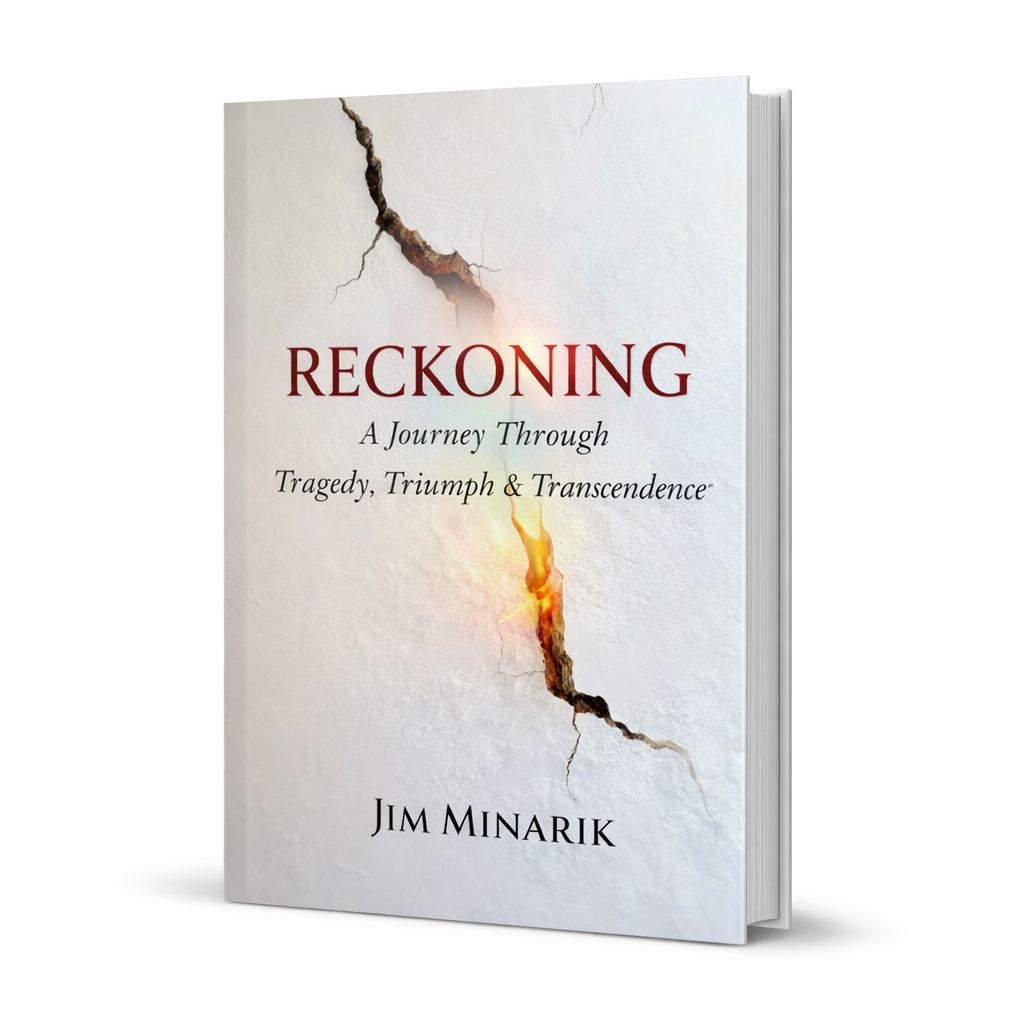
The cover of my book, RECKONING